Feeding the Hungry
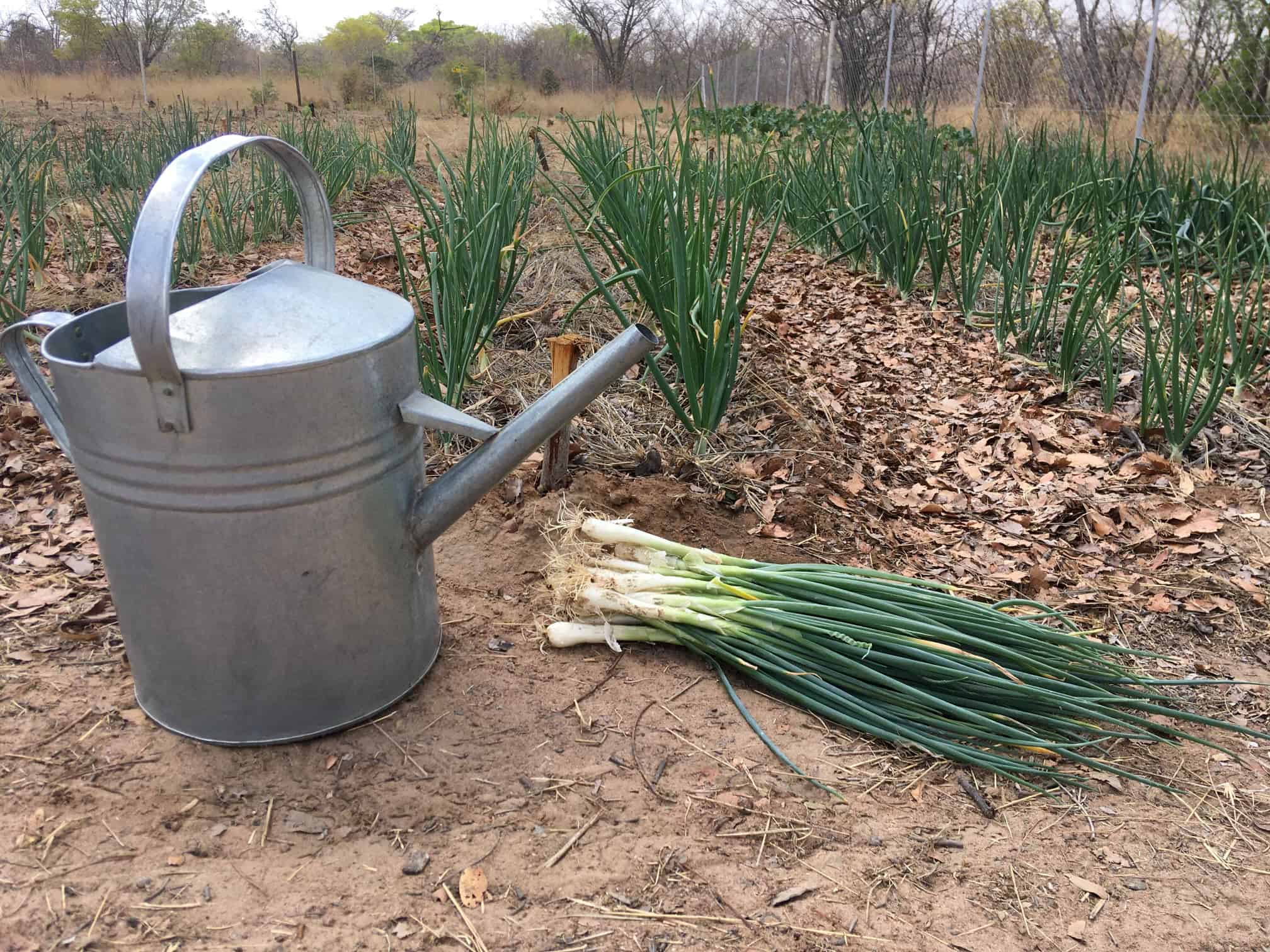
More diverse crops produce better nutrition and enable families to produce cash crops as well.
“For I was hungry and you gave me food…” – Matthew 25:35
In a country like the United States where we constantly battle the bathroom scale, it’s sometimes hard to imagine living without enough calories or access to key nutrients, such as protein and vitamins. But that is the scenario that many of our friends in Zimbabwe face.
‘Give a man a fish and he will eat for a day. Teach a man how to fish and you feed him for a lifetime.’
Noah’s FARM is committed to helping the people of Central Zimbabwe achieve greater food security by investing in their capabilities. Several of our projects work toward this goal:
Water Wells
Zimbabwe’s climate is based on a wet season-dry season pattern; most people can only raise crops during the wet season. During that time they try to focus on raising corn (or maize, as they call it), because they can dry and grind the corn to enjoy the starchy staple called sadza year-round. However, this leaves families vulnerable during the dry season, and reliance on maize leads to nutritional shortfalls. By drilling boreholes (cased water wells), not only can families have access to clean water and better hygiene, they can produce vegetable crops during the dry season. To date, Noah’s FARM has provided more than sixteen functioning boreholes for communities in Central Zimbabwe. As a bonus, when we can power those boreholes with solar panels, then water is dependable and residents can even charge cell phones!
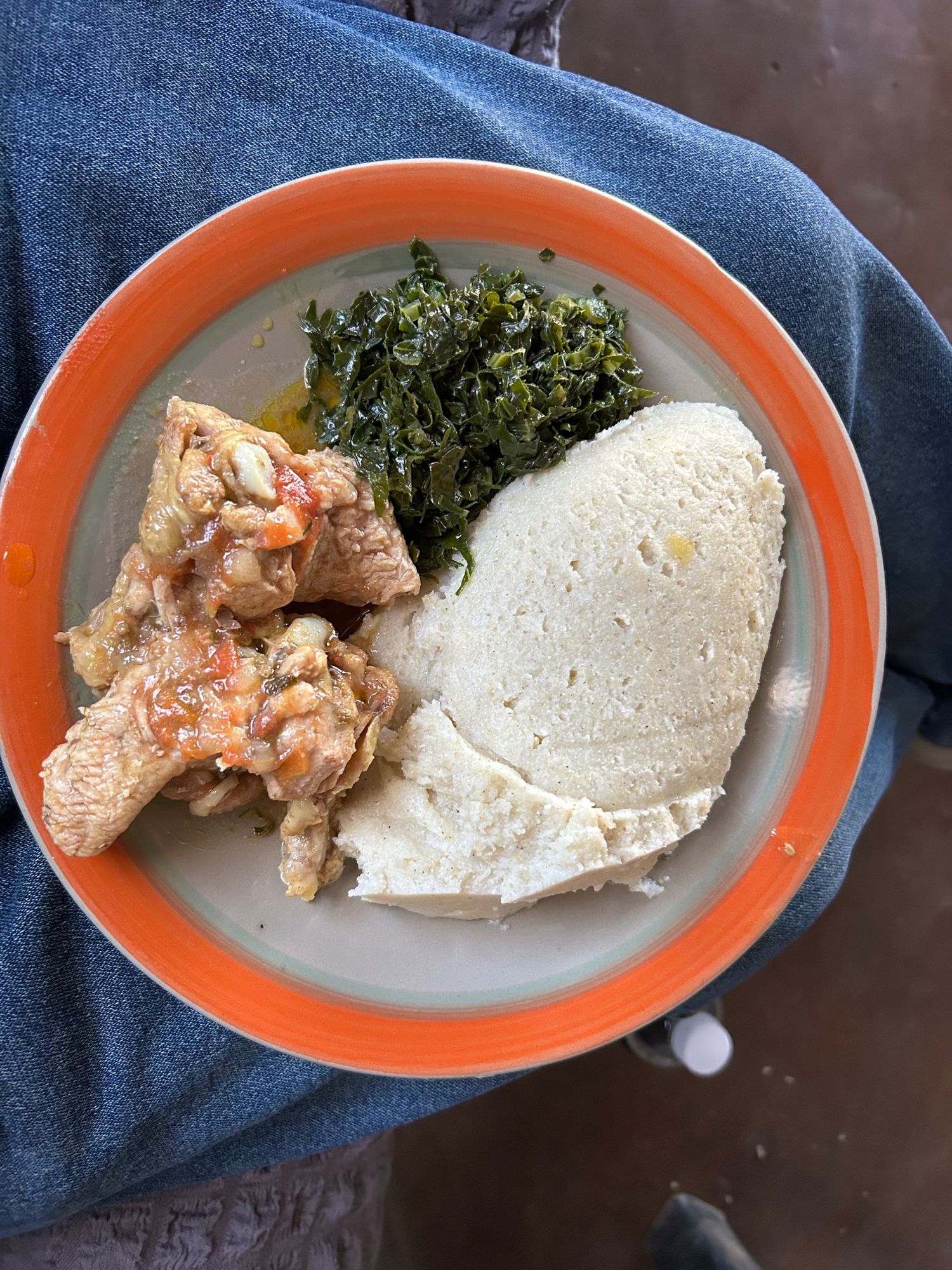
A typical meal in Zimbabwe consists of greens and a starchy staple “sadza” made from ground maize. To include chicken in a meal is a rare occasion.

Water wells provide water to the community and help rural churches produce diverse crops
Community Gardens
Many Zimbabweans lack access to mechanized equipment and expensive agricultural inputs; however, Noah’s FARM has provided funds so that rural pastors and teachers can attend workshops on how to use available resources to increase productivity and sustainability of community gardens. With an emphasis on composting, ground-cover, use of locally available manure, and minimal tillage, families are able to improve their crop output and increase the fertility of their soils. Noah’s FARM also comes alongside to fence community gardens to protect them from free-ranging livestock.

Pastors and teachers excited about completion of a farming workshop
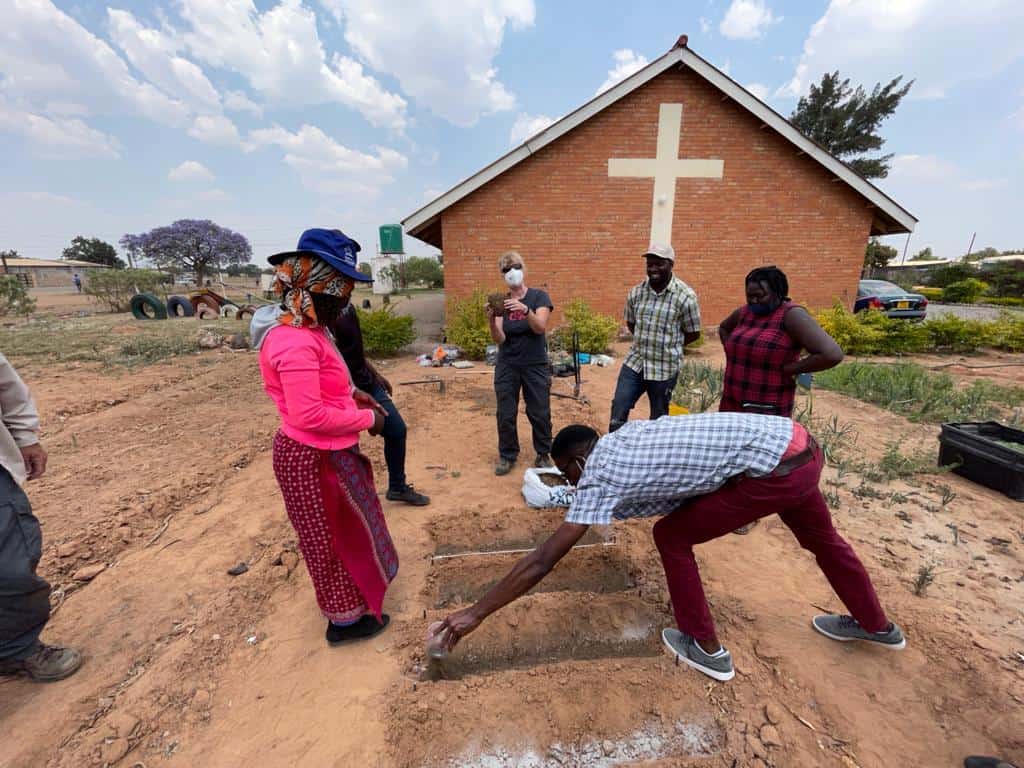
Workshops on urban gardens at Mkoba Church of the Nazarene
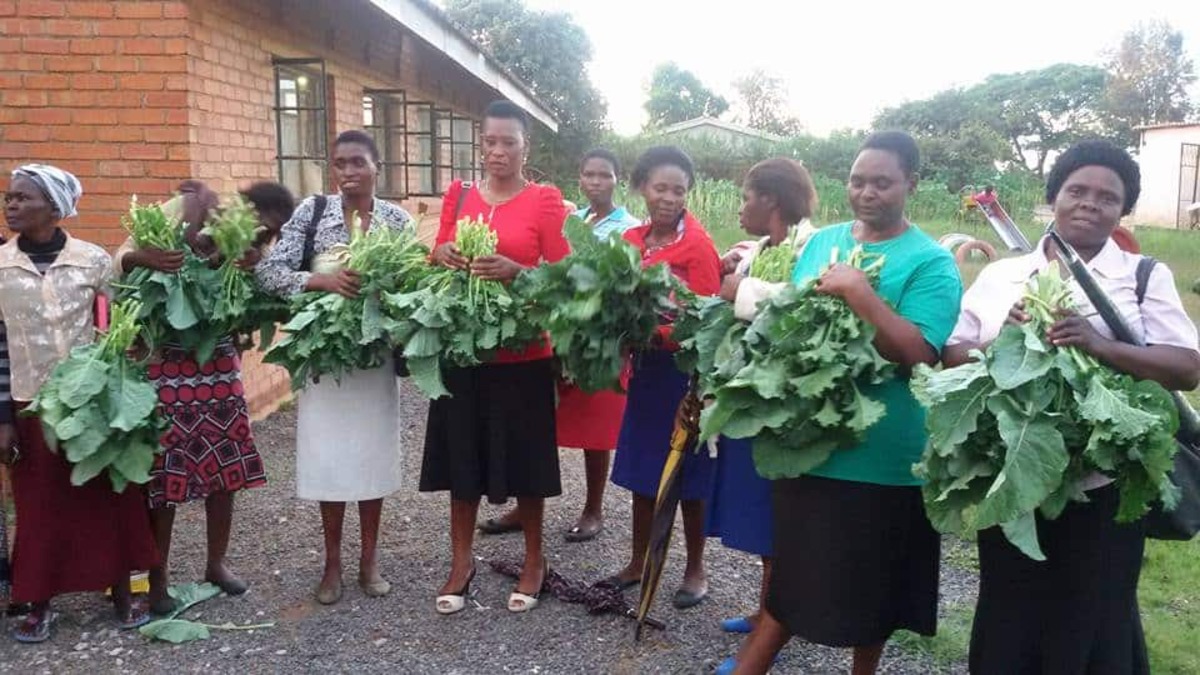
Church gardens are used to benefit widows in the community
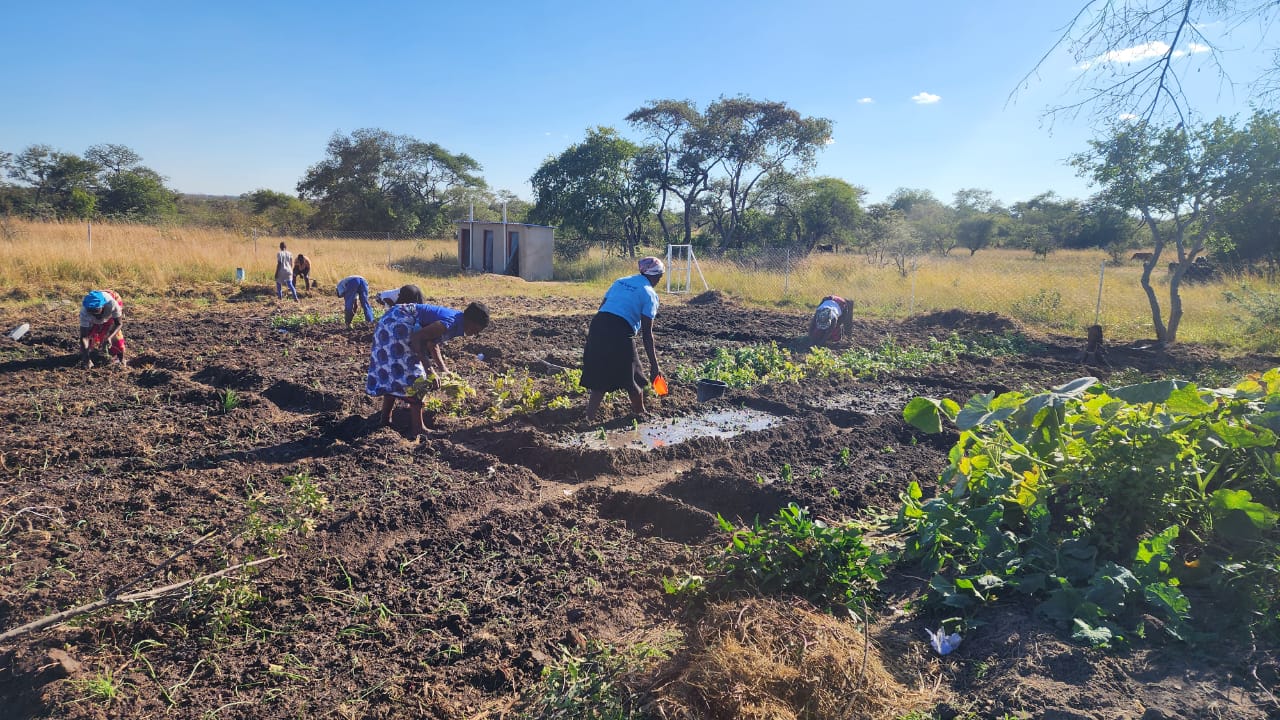
Thirteen families from Rest church are developing their own plots for personal nutritional needs and for sale at market
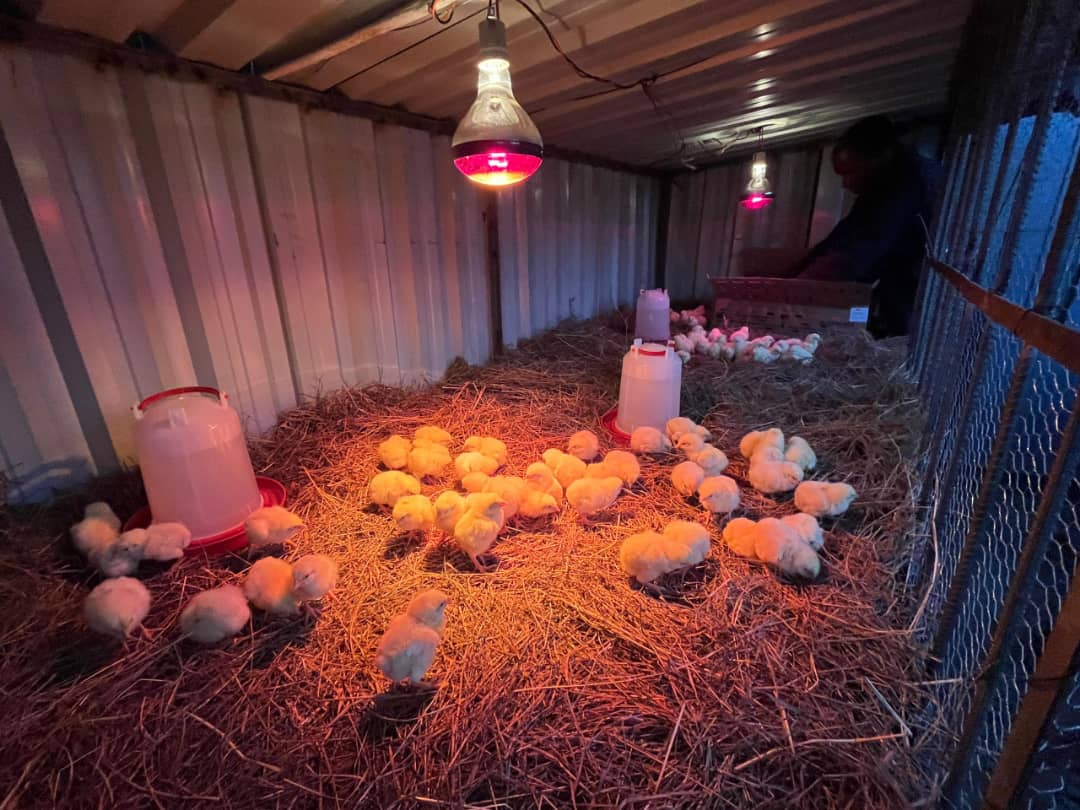
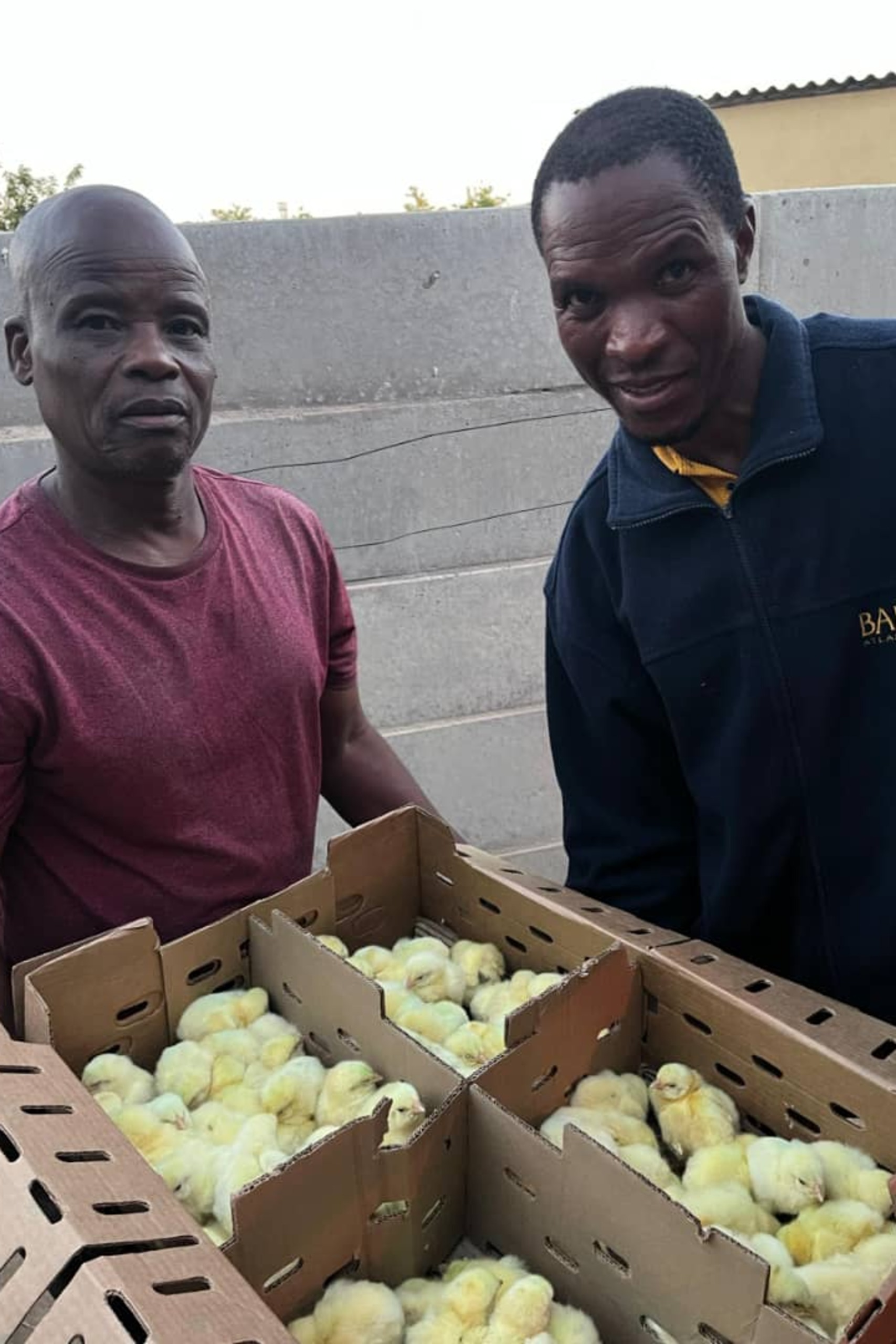
Chicken Projects
With both protein and cash in short supply in Zimbabwe, several of our investments are designed to develop chicken operations. Goals are to provide a source of income and future nutritional needs for families.